How Pros Use AI Photo Editing Without Losing Control
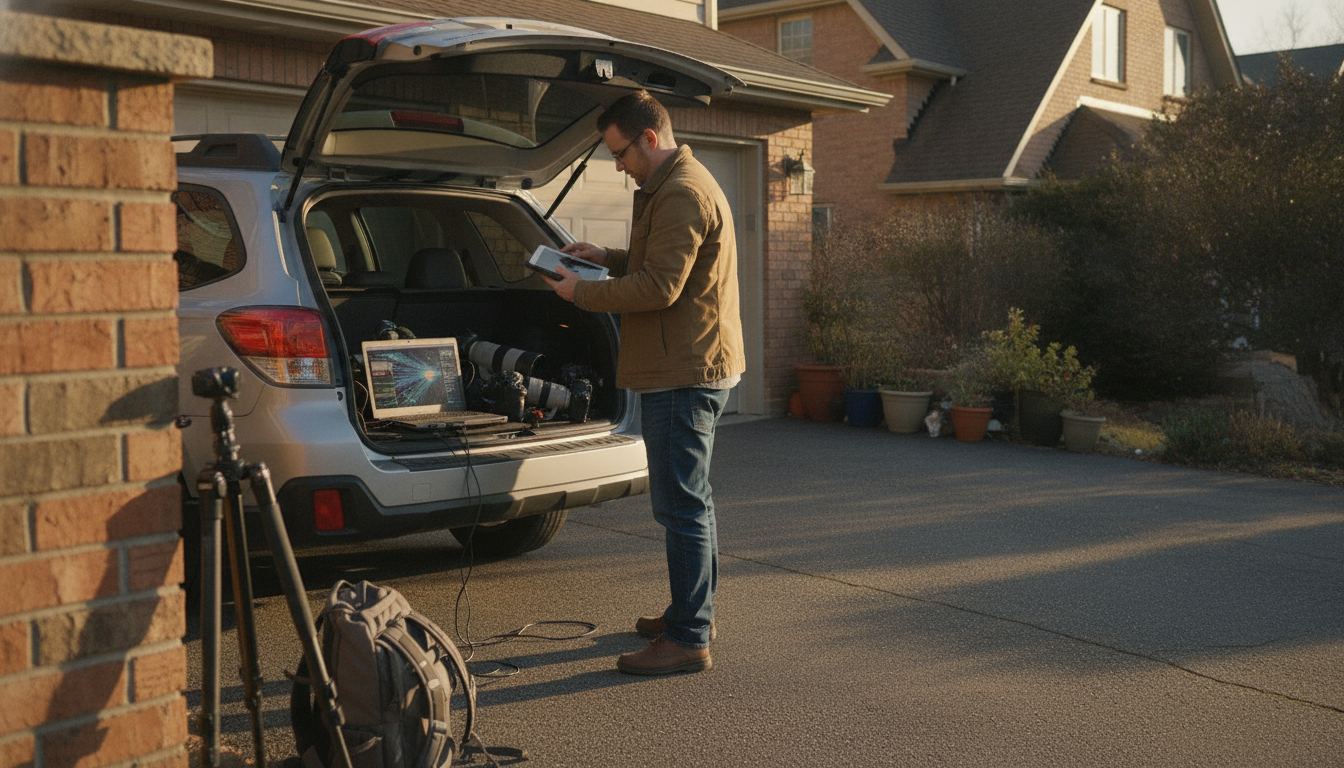
Do professional photographers use AI to edit photos?
Yes. Many professional photographers use AI-assisted tools as part of their editing workflow, especially for tasks that are repetitive, time-consuming, or technically complex. In practice, “using AI” often means relying on features built into common software—such as subject selection, background masking, noise reduction, sharpening, sky replacement, or intelligent retouching—rather than handing full creative control to an algorithm.
Why pros use AI in photo editing
Professional work is usually measured by consistency, turnaround time, and quality. AI helps speed up culling and editing while keeping results predictable across large shoots like weddings, events, school portraits, and e-commerce product photography. Tools that recognize faces, isolate hair, or apply accurate masks can cut hours off an edit without changing a photographer’s style.
Where AI fits in a pro workflow
Most photographers treat AI as a starting point, not the final step. A typical workflow might include AI-powered selection and masking, automated color or exposure suggestions, and smart noise reduction—followed by manual refinement. The final look (color grading, skin texture choices, mood, cropping, and storytelling decisions) is still guided by human taste and client expectations.
What tasks AI is commonly used for
AI is especially common for:
- Faster subject/background selections and complex edge masking
- Noise reduction for high-ISO images
- Batch edits and style-matched presets across hundreds of photos
- Retouching assistance (blemish removal, skin smoothing controls, stray hair cleanup)
- Upscaling and sharpening for large prints or tight crops
Does AI replace professional editing skills?
Not really. AI can miss details, over-smooth skin, shift colors, or create artifacts—especially in challenging lighting or with fine textures like lace, hair, and product labels. Pros still need strong fundamentals (light, color, composition) and an experienced eye to judge what looks natural and brand-appropriate.
For a deeper breakdown of how working photographers actually use these tools, see the full guide here: https://fabdigital.shop/do-professional-photographers-use-ai-to-edit-photos/.
FAQ
Is AI photo editing ethical for client work?
It can be, as long as the edits match what the client expects and don’t misrepresent reality in a way that violates the project’s standards (like documentary or journalistic rules). Many pros disclose heavy compositing or generative changes when it matters.


Leave a comment